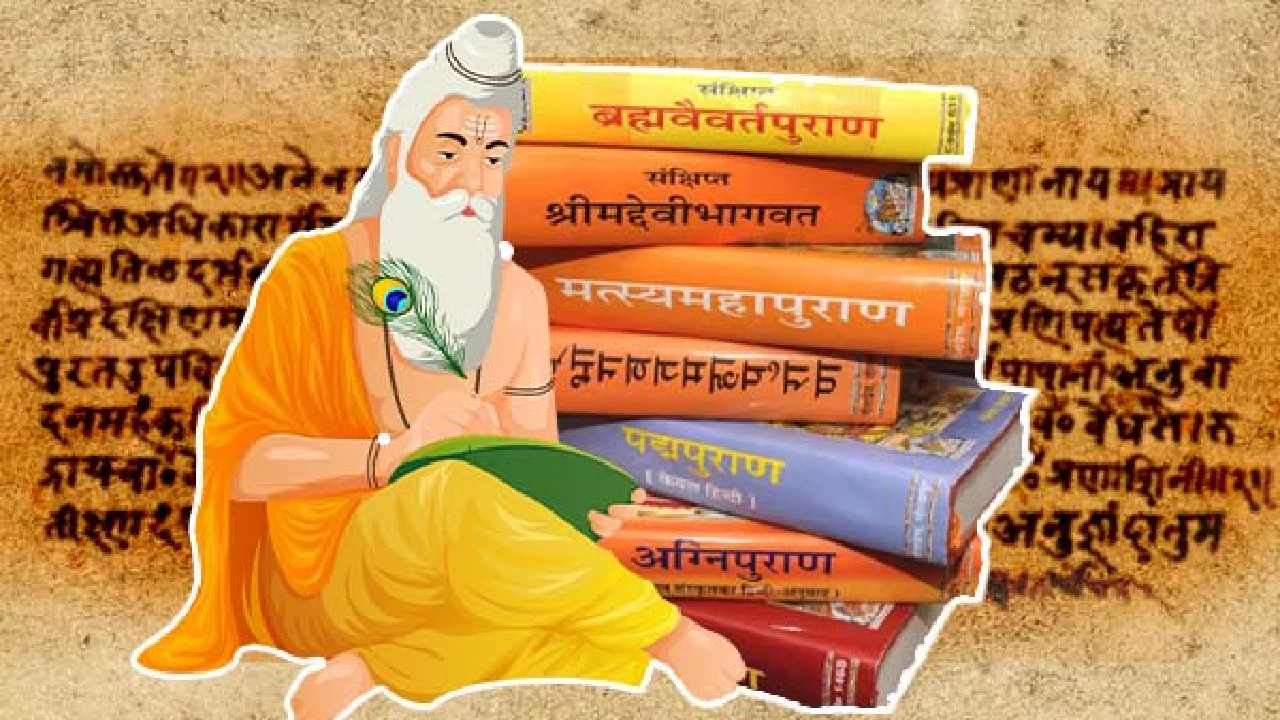
The Puranic literature is encyclopedic, and it includes diverse topics such as cosmogony, cosmology, genealogies of gods, goddesses, kings, heroes, sages, and demigods, folk tales, pilgrimages, temples, medicine, astronomy, grammar, mineralogy, humor, love stories, as well as theology and philosophy.
Itihasaas
The literal meaning of Itihas is history in the Sanskrit language. The Itihasa is a collection of beautiful stories of absorbing interest and importance, through which the central theme and lessons of Hinduism were spread. The Itihasa consists of Indian epics that tell us the stories of the laws of Smritis and the principle of the Vedas are stamped firmly on the minds of the Hindus through marvellous characters and heroes. There are unmistakable thoughts and stories of remark with the Itihasa of our Ancient Indian Mythology Stories.
Add Your Heading Text Here
Vedas
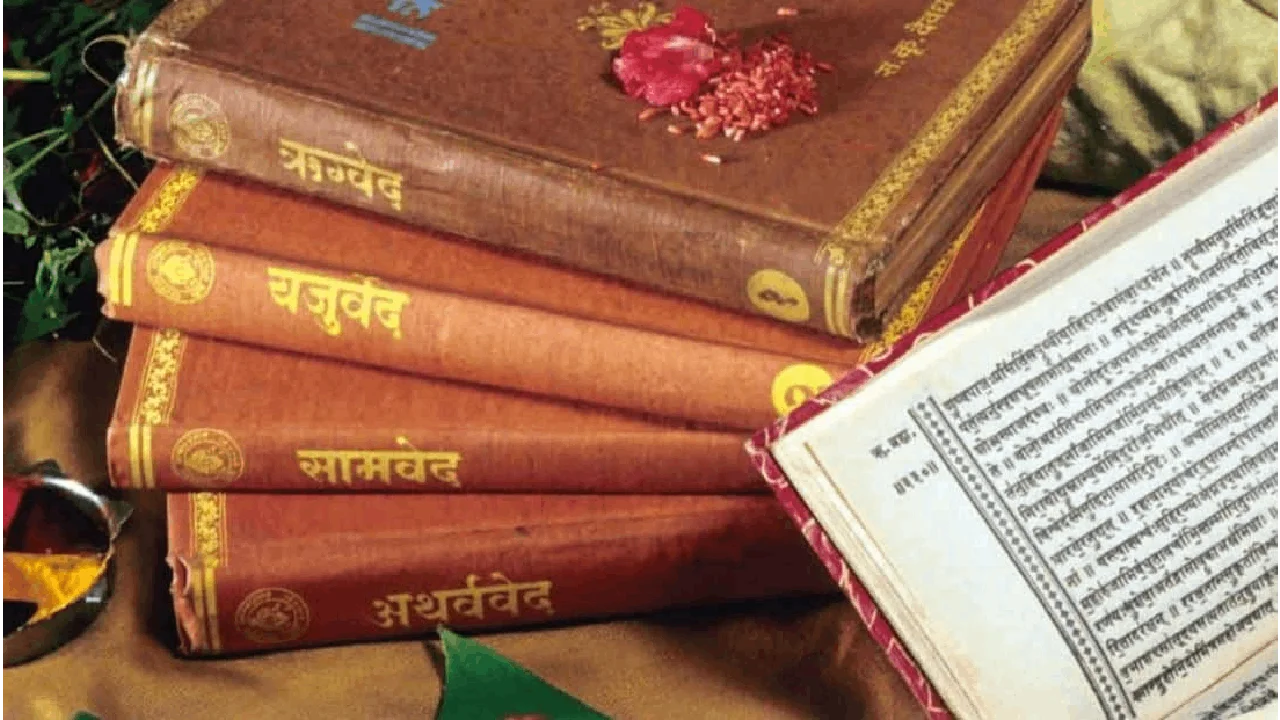
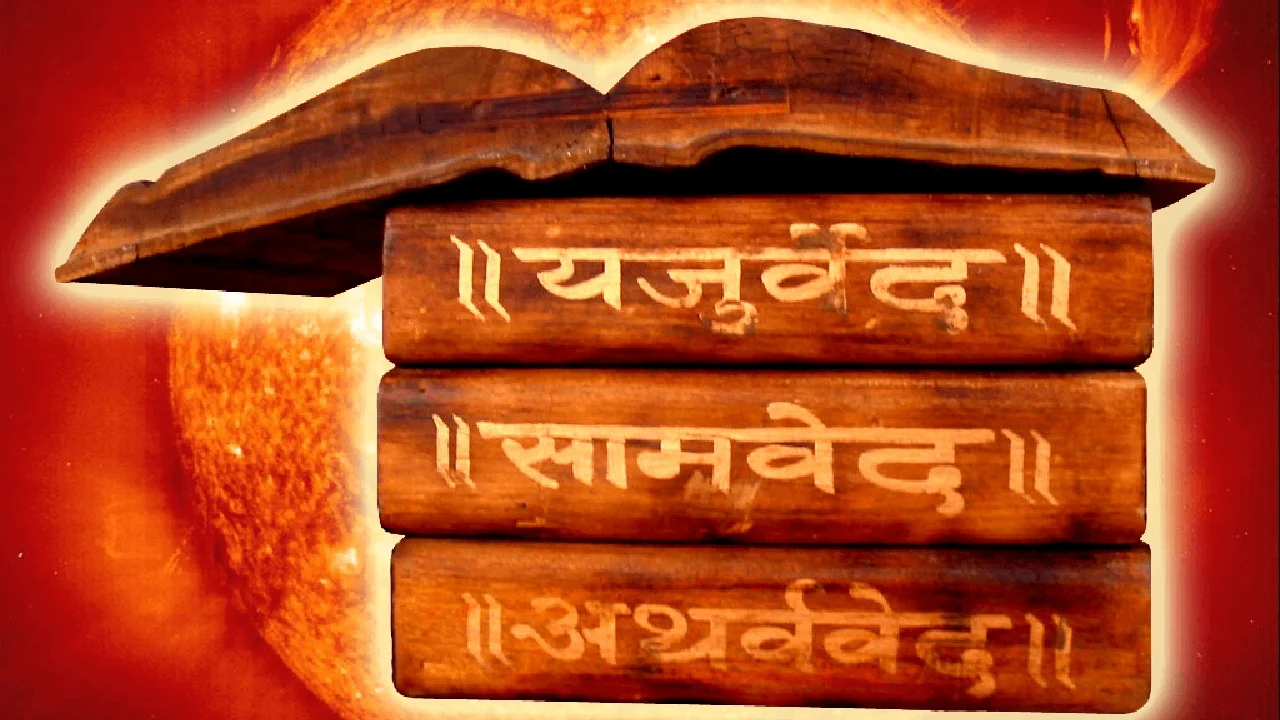
Each Veda has four subdivisions – the Samhitas (mantras and benedictions), the Aranyakas (text on rituals, ceremonies, sacrifices and symbolic-sacrifices), the Brahmanas (commentaries on rituals, ceremonies and sacrifices), and the Upanishads (texts discussing meditation, philosophy and spiritual knowledge).
Shastras
The Sanskrit word “shas” means “rule or instruction”. From this comes the word “shasta” which means a “ruler”. Therefore a shastra is generally meant to be a manual of instruction or a book of knowledge explaining the regulations and standards of any artistic or cultural discipline, set of principles or instructions about any subject. In the context of Hinduism, shastras refer to our sacred scriptures which run into hundreds of treatises and deal with every possible subject and art that is known to us!
Add Your Heading Text Here
Vedangas
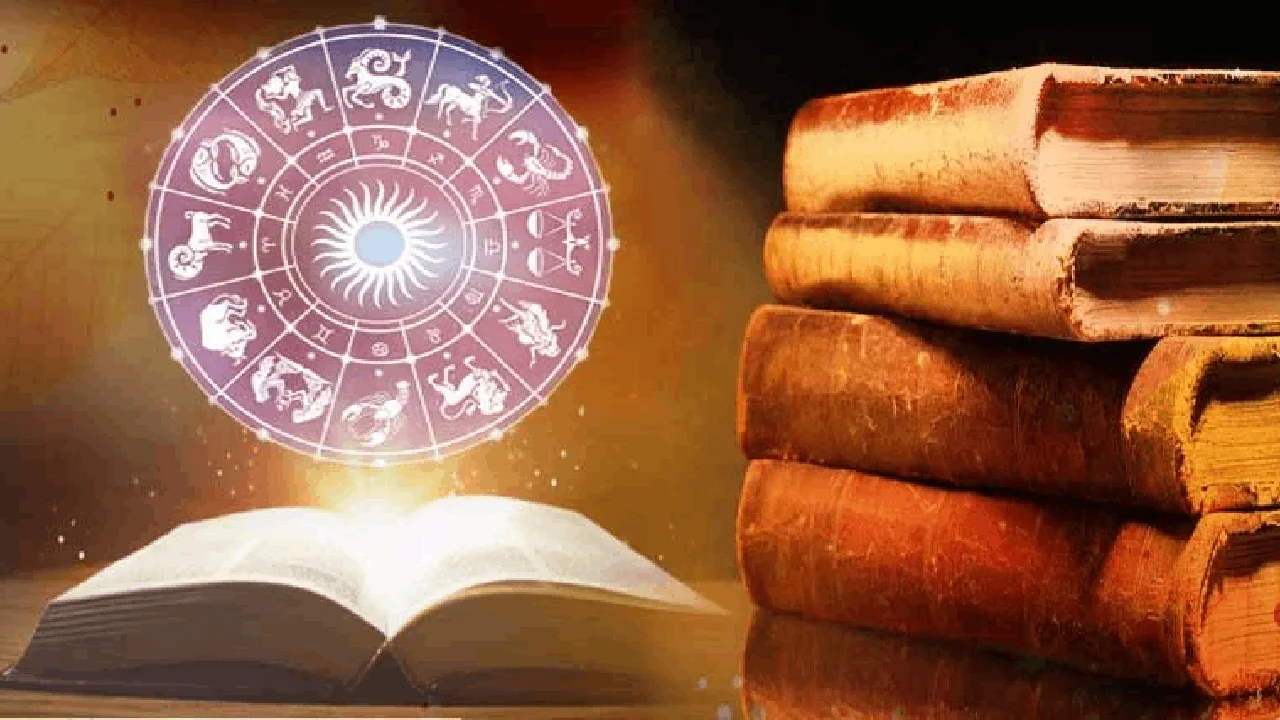
Vedangas literally mean the limbs of the Vedas. They are six in number. Just like the limbs of the body, they perform various supportive and augmenting functions in the study, preservation and protection of the Vedas and the vedic traditions. The six Vedangas are Siksha, Chhanda, Vyakarana, Nirukta, Jyotisha and Kalpa.
UPA Vedas
Medicine (Ayurveda) – associated with either Rigveda or Atharvaveda. The origin of Ayurveda is attributed to Atharva Veda where several diseases with their treatments are mentioned. Ayurveda is considered to be an Upaveda (secondary knowledge) of Atharvaveda.
Add Your Heading Text Here
Kandas
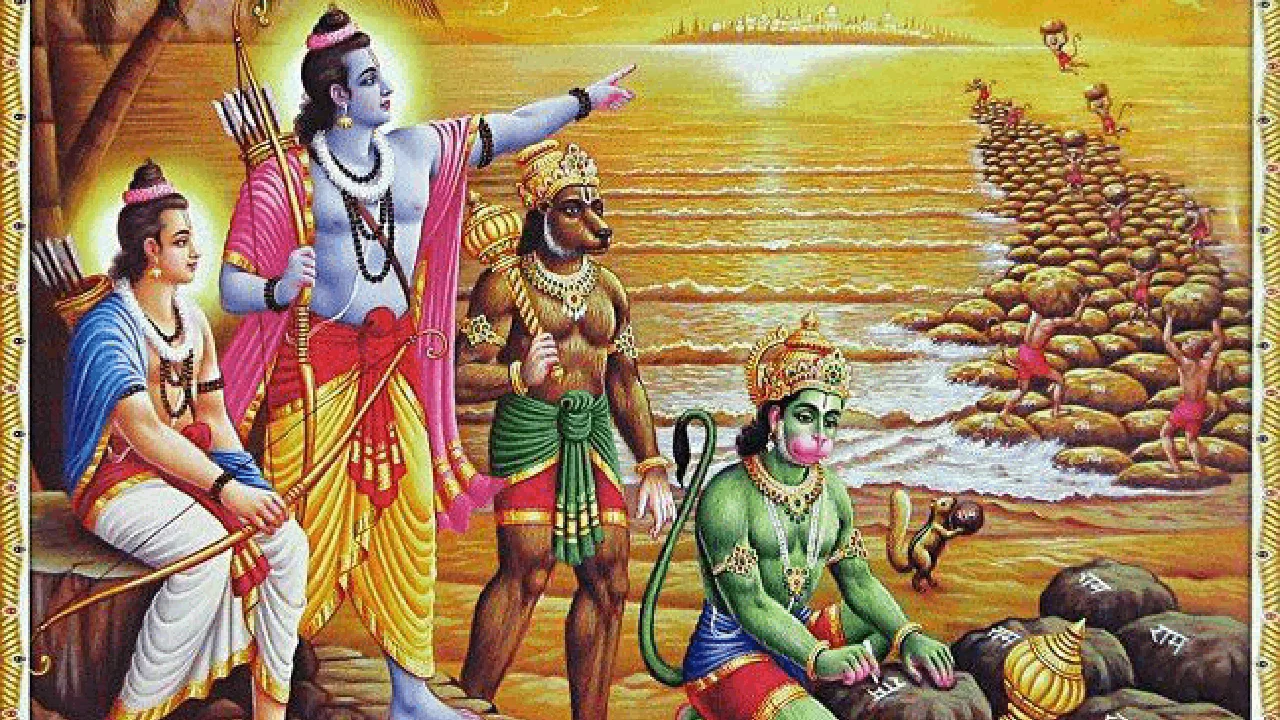
The Epic is traditionally divided into several major kandas or books, that deal chronologically with the major events in the life of Rama—Bala Kaanda, Ayodhya Kaanda, Aranya Kaanda, Kishkindhaa Kaanda, Sundara Kaanda, Yuddha Kaanda, and Uttara Kaanda.
Stutis
Stutis are sacred hymns or prayers in praise of Hindu deities, composed to express devotion, gratitude, and reverence. Reciting Stutis helps cultivate spiritual focus, inner peace, and positive energy, while invoking the blessings and protection of the divine. They are often poetic, rhythmic, and easy to chant, making them an integral part of daily worship and religious rituals.
Add Your Heading Text Here
Suktas
Sukta is the word that describes the ‘well said’ form. It is in terms of the praising of the goddess and god. It also tasks about in terms of children and cattle that is usually talks for the son’s aspects. In 1028, this word was immensely used in the hymns context of the story.
Why ChooseDevyaanFor Char Dham Yatra 2025?
At Devyaan, we go beyond just travel – we curate an experience where every step of your Char Dham Yatra is filled with devotion, safety, and comfort. Whether you’re seeking a spiritual awakening, cultural richness, or simply the peace of the Himalayas, Devyaan ensures your journey to the divine is unforgettable.